

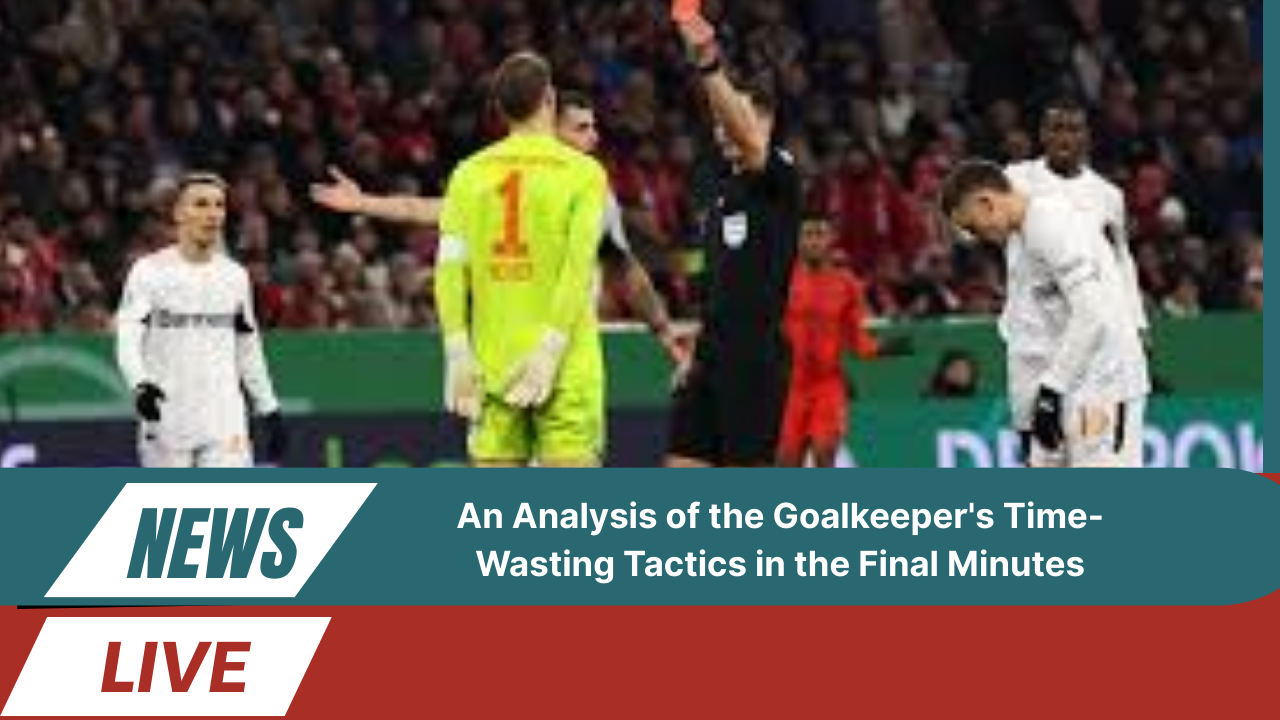
Why do goalkeeper’s time-wasting tactics remain one of the most frustrating yet strategic aspects of football? Is it a smart form of game management or an unfair disruption of the sport’s natural rhythm? And why do fans, referees, and players continue to clash over what seems like a simple delay of play?
The controversy stems from the very essence of competition. In the dying minutes of a match, when a team clings to a fragile lead, the goalkeeper often becomes the central figure in slowing the game. Whether it’s through holding the ball a little longer, taking their time with a goal kick, or feigning injury, these tactics test not only the patience of spectators but also the authority of referees.
What makes this issue particularly complex is that football’s laws leave room for interpretation. While rules on time-wasting exist, their enforcement varies from league to league and referee to referee. This inconsistency fuels debates about fairness, ethics, and entertainment in a sport that thrives on passion and unpredictability. As we dive deeper, we’ll explore how the practice evolved, the official guidelines surrounding it, and whether reforms are truly solving the problem—or simply adding to the confusion.
Historical Evolution of Time-Wasting in Football
Early football rules on time management
In the early days of football, rules were far less defined than they are today. Matches often ran without precise timekeeping, and referees had little power to punish delays. Goalkeepers, noticing this gap, began exploiting pauses in play to their advantage.
Memorable cases of extreme goalkeeper delays
Throughout football history, certain matches became infamous for excessive stalling. From World Cup finals to local derbies, instances of goalkeepers deliberately stretching every second have sparked anger, debate, and even changes in the rulebook.
Understanding the Rules on Time-Wasting
FIFA and IFAB guidelines on time-wasting
The International Football Association Board (IFAB) provides clear guidelines on time-wasting. According to the rules, any deliberate delay in restarting play can be sanctioned.
The yellow card for delay of game explained
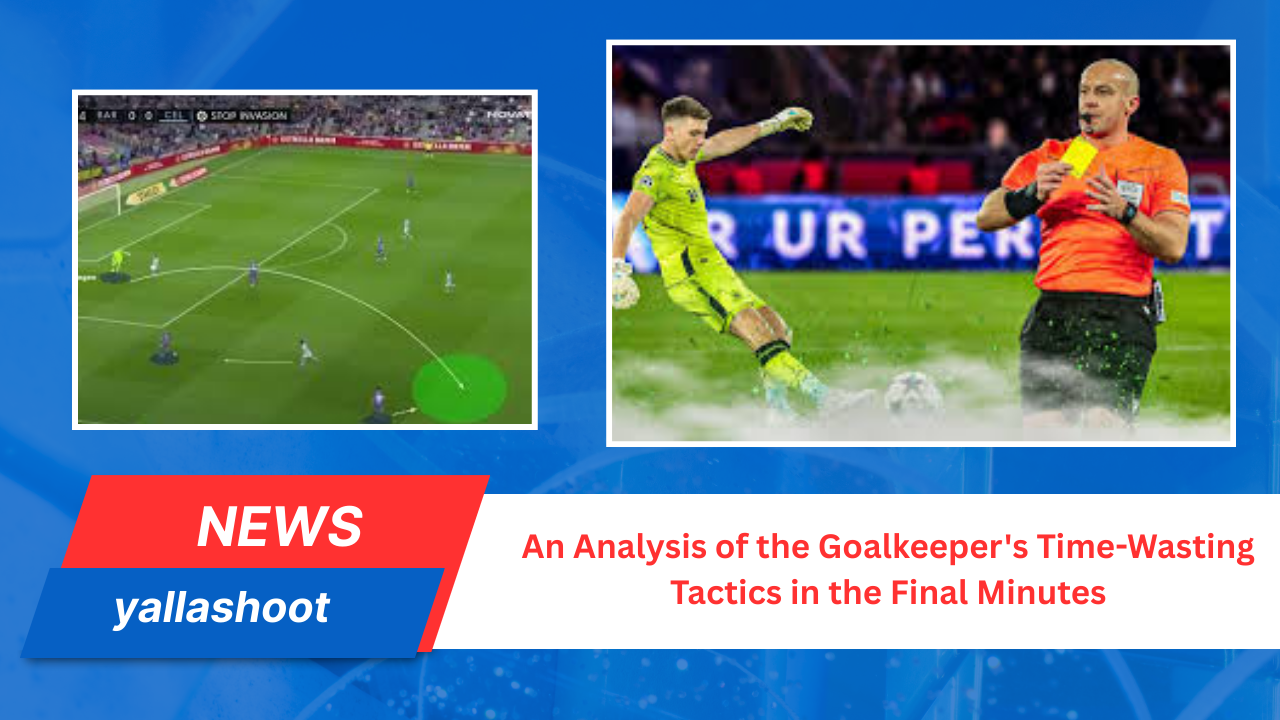
Referees may issue a yellow card for delay of game if a goalkeeper holds the ball for more than six seconds or deliberately stalls during restarts. Yet, in practice, enforcement is often lenient, leaving room for exploitation.
Goalkeeper’s Time-Wasting Tactics: A Deep Dive
Slow distribution and delayed goal kicks
One of the most common forms of delay involves goalkeepers walking slowly to collect the ball or setting it multiple times before a goal kick.
Excessive ball holding and fake injuries
Another frequent tactic is holding the ball for extended periods or going down with apparent cramps when under minimal contact.
Tactical substitutions aiding the goalkeeper
Teams sometimes use late substitutions to further disrupt momentum, compounding the goalkeeper’s stalling strategy.
Strategic vs. Unsporting Behavior
Where game management meets unfair play
Supporters argue that stalling is part of game management, but critics see it as unsporting. The fine line depends on intent and context.
Ethical perspectives from players and managers
Managers often defend their players’ tactics as necessary for survival, while opposing coaches call for stricter punishments.
Impact on Match Flow and Entertainment Value
How delays disrupt rhythm and momentum
Extended delays break attacking momentum, frustrating fans and undermining the flow of the game.
Viewer frustration and broadcasting pressures
Broadcasters also suffer, as prolonged stoppages hurt engagement and viewership.
Modern Reforms to Reduce Time-Wasting
Introduction of additional stoppage time
Recent reforms, especially in international tournaments, now see referees adding more accurate stoppage time to account for delays.
Trials with stop-clock systems
Some football leagues have tested stop-clock mechanisms similar to basketball, though purists resist such drastic changes.
Technology’s role in monitoring game time
Wearable referee technology and video assistance are helping officials track time more precisely.
Real-World Case Study: A Final Defined by Delays
Key incidents in recent tournaments
Several finals in the past decade have been overshadowed by long goalkeeper delays, where crucial minutes were wasted intentionally.
Reactions from players, fans, and referees
These incidents fuel heated debates, with supporters demanding justice and referees defending their authority.
Comparing Goalkeepers’ Time Management Styles
Aggressive vs. passive delay strategies
Some goalkeepers actively exaggerate delays, while others subtly drag out moments without drawing as much attention.
Regional and cultural differences
Football cultures differ—some leagues tolerate tactical delays, while others impose stricter punishments.
The Role of Referees in Controlling Time-Wasting
Enforcement challenges in high-pressure matches
In finals or derby matches, referees hesitate to hand out early yellow cards for stalling, fearing they’ll ruin the spectacle.
Refereeing consistency across competitions
The lack of uniform enforcement creates frustration and questions of fairness.
Balancing Fair Play and Tactical Advantage
Should rules become stricter?
Some experts argue that automatic penalties, such as awarding indirect free kicks, could deter abuse.
Insights from football analysts
Analysts highlight the need for balance—preserving tactics while preventing exploitation.
The Future of Time-Wasting Regulations
Predictions for stricter enforcement
Football’s governing bodies may soon move toward harsher sanctions, making goalkeeper delays riskier.
Fan-driven calls for reform
Fans, tired of drawn-out endings, continue to push for fairer systems of time management.
FAQs on Goalkeeper’s Time-Wasting Tactics
Q1: What is the official rule for goalkeepers holding the ball too long?
A goalkeeper may hold the ball for up to six seconds. Beyond that, referees can award an indirect free kick and issue a yellow card.
Q2: Why don’t referees punish time-wasting more strictly?
Referees often allow leniency to avoid over-influencing the match, especially in high-stakes games.
Q3: Are substitutions in the final minutes considered time-wasting?
Yes, when used excessively, late substitutions are viewed as a delaying tactic.
Q4: What reforms are being tested to reduce delays?
Stop-clock trials and extended stoppage times are among the reforms being considered.
Q5: Is time-wasting unique to goalkeepers?
No, but goalkeepers are the most visible practitioners, as their delays directly affect the game’s flow.
Conclusion: Striking the Balance in Modern Football
The controversy over goalkeeper’s time-wasting tactics won’t disappear anytime soon. While some see it as clever game management, others argue it robs football of its natural beauty and fairness. The challenge lies in finding a balance between strategy and sportsmanship. With evolving rules, technological advances, and fan-driven reforms, the future may hold a tighter grip on how time is managed in the world’s most beloved sport.
read also: Football Rule Changes: 7 Game-Changing Evolutions in Soccer History
![Away End at [Stadium Name] So Small](https://en.yallashootguide.net/wp-content/uploads/2025/09/Red-and-Teal-Modern-Sport-News-YouTube-Thumbnail-19-150x150.png "Why is the Away End at [Stadium Name] So Small? A Look at Allocation Rules 5")