
Blue Card and Sin Bins Be Introduced is a question stirring debate across the football world. Fans, players, and experts are all asking whether the International Football Association Board (IFAB) is ready to revolutionize the sport with new rules that could fundamentally reshape how the game is played and disciplined.
Football has always been a sport that balances passion with fairness. From the introduction of yellow and red cards decades ago to the more recent use of VAR, every major change to the laws of the game has sparked discussions about whether it protects integrity or disrupts tradition. The proposed idea of temporary dismissals through a “blue card” adds another chapter to this ongoing evolution.
But is football ready for this bold transformation? Will blue cards truly improve discipline, or will they lead to unnecessary complications? As IFAB weighs the introduction of temporary dismissals, the footballing world holds its breath, awaiting what could be one of the most controversial changes in the history of the game.
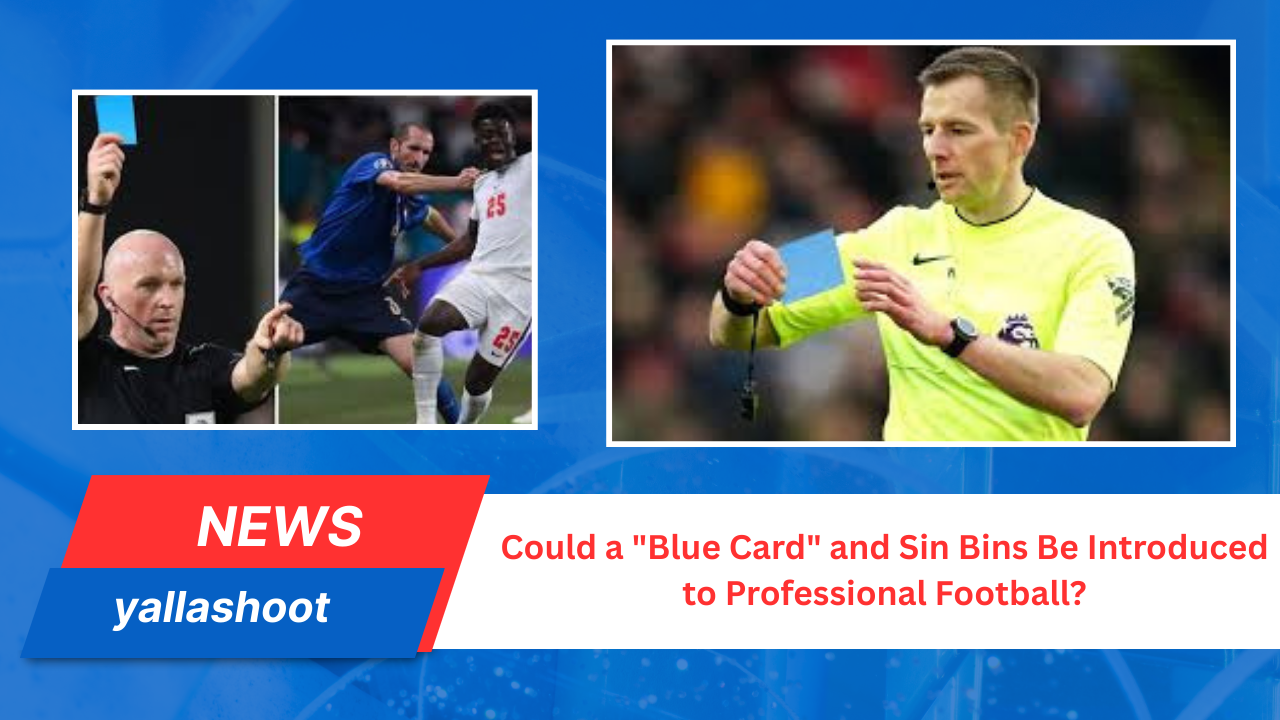
The Evolution of Football’s Disciplinary System
The Origins of Yellow and Red Cards
When yellow and red cards were introduced at the 1970 World Cup, they marked a groundbreaking change. Inspired by traffic lights, the cards provided referees with a clear way to manage misconduct. This system quickly became central to football worldwide.
Why Football Laws Keep Evolving
The sport evolves to maintain fairness. From back-pass rules to goal-line technology, adjustments ensure that football reflects modern demands. Introducing a new disciplinary tool like a blue card is part of this natural progression.
Understanding the Concept of Blue Cards
What a Blue Card Represents
Unlike yellow or red cards, a blue card would signify a temporary removal from the pitch. It’s designed for misconduct that falls between a caution and a dismissal.
Temporary Dismissals and Their Duration
Players shown a blue card would serve time in a “sin bin,” typically lasting 10 minutes. During this time, their team would play with one fewer player, creating both tactical and disciplinary consequences.
Sin Bins Explained
Borrowing from Rugby and Ice Hockey
Both rugby and ice hockey already use temporary dismissals. These sports show how sin bins can regulate behavior without ending a player’s participation entirely.
How Sin Bins Could Work in Football
In football, sin bins would likely target dissent, time-wasting, or repeated fouls. This approach punishes without ruining the balance of the match with a full sending-off.
IFAB’s Role in Rule Changes
The Decision-Making Process
The International Football Association Board (IFAB) holds authority over football’s laws. Their annual meetings decide whether proposed rules are tested or implemented.
Past Rule Changes by IFAB
From introducing VAR to clarifying handball rules, IFAB has often responded to trends and controversies. The blue card proposal fits into this history of adaptation.
Why Blue Cards Are Being Considered
Rising Concerns About Player Behavior
Persistent fouling, dissent, and tactical time-wasting have become major issues. Referees often feel existing sanctions are insufficient.
Pressure from Referees and Coaches
Match officials and managers have requested more effective tools. A blue card provides a middle ground, preventing overuse of red cards while addressing misconduct.
Arguments in Favor of Blue Cards
Reducing Persistent Fouling
By targeting repetitive minor fouls, blue cards could discourage cynical play and improve fairness.
Supporting Referees with Better Control
Referees gain an extra option, helping them enforce discipline without escalating to harsher punishments too quickly.
Criticism and Opposition
Concerns Over Confusion Among Players
Adding a third card may confuse players, especially in fast-paced matches where emotions run high.
Fear of Over-Complicating Football
Some critics argue football should remain simple. Too many rule changes risk alienating fans and complicating refereeing.
A Comparison: Yellow, Red, and Blue Cards
| Card | Meaning | Consequence |
|---|---|---|
| Yellow | Warning for misconduct | Player stays on field |
| Red | Serious foul or two yellows | Player sent off permanently |
| Blue | Intermediate misconduct | Player temporarily dismissed |
Impact on Professional Football
Potential Changes in Team Strategy
Coaches would need to adapt tactics to 10 vs 11 scenarios, possibly leading to more defensive or counter-attacking play.
Influence on Game Tempo and Flow
Blue cards could temporarily shift momentum, rewarding disciplined teams and punishing offenders.
Lessons from Other Sports
Rugby’s Sin Bin System
Rugby has successfully used 10-minute dismissals for decades. It demonstrates how temporary suspensions can control aggression without ruining contests.
Ice Hockey’s Penalty Box Example
Ice hockey relies heavily on its penalty box system, shaping game dynamics and strategy. Football could learn from its efficiency.
Fans’ and Players’ Reactions
Early fan polls reveal mixed opinions. Some see blue cards as necessary, others fear they’ll dilute football’s simplicity. Players, too, remain divided.
Could Blue Cards Work in Grassroots Football?
At youth and amateur levels, blue cards may help manage behavior without harsh punishments. They could be an effective educational tool.
The Future of the Game
Whether blue cards become permanent depends on IFAB trials. If successful, this innovation could be one of the most influential changes since the red card system.

Frequently Asked Questions (FAQs)
1. What is a blue card in football?
A blue card signals a temporary dismissal, sending a player to a sin bin for misconduct.
2. How long does a player stay in the sin bin?
Typically, 10 minutes, though IFAB may adjust based on trials.
3. Why introduce blue cards now?
They’re being considered due to growing issues with dissent, persistent fouls, and time-wasting.
4. Are blue cards already used in professional football?
Not yet. They’re still under trial discussions.
5. Could blue cards replace yellow or red cards?
No. They would complement existing cards, providing an intermediate sanction.
Conclusion
The debate over whether Blue Card and Sin Bins Be Introduced to professional football captures the sport’s ongoing struggle to balance tradition with progress. While the proposal sparks both excitement and resistance, it undeniably highlights the need for fresh approaches to discipline. Whether embraced or rejected, this idea shows football’s commitment to evolving in step with the modern game.