

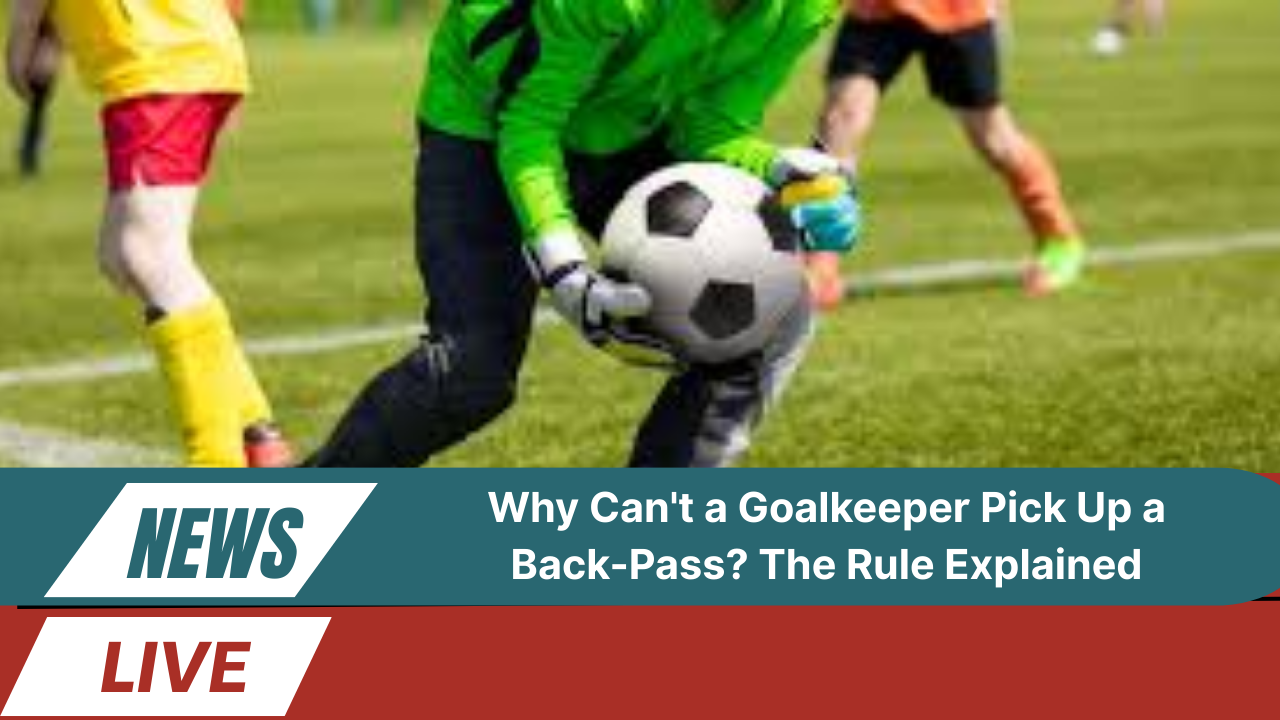
Why Can’t a Goalkeeper Pick Up a Back-Pass — a question that often puzzles new football fans. After all, the goalkeeper is the one player allowed to use their hands, so why on earth are they restricted in this very specific situation?
Before the back-pass rule was introduced, defenders and goalkeepers exploited this loophole constantly. Defenders would pass back, the keeper would pick it up, hold the ball, waste time, and restart play slowly. Matches dragged on, frustrating both fans and referees.
The 1990 World Cup in Italy highlighted this problem on the biggest stage. Teams used negative tactics, repeatedly passing back to the goalkeeper to kill the game’s flow. The spectacle suffered, and fans demanded change. FIFA responded by introducing the back-pass rule in 1992, reshaping the role of the goalkeeper and the way football is played today.
The Origins of the Back-Pass Rule
1.Football Before the Rule Change
Defenders constantly relied on their goalkeepers
Goalkeepers slowed down the game by holding the ball
Matches often lacked energy and excitement
2.1990 World Cup and the Birth of the Rule
The tournament was infamous for dull, defensive football
Back-passes were used excessively to waste time
FIFA realized drastic action was necessary
3.How FIFA Responded to Tactical Time-Wasting
In 1992, the back-pass rule was officially introduced
Objective: speed up the game and eliminate dull play
Impact: football became faster, more attacking, and more exciting
What the Back-Pass Rule Actually Says
If a teammate deliberately kicks the ball back to the goalkeeper, the goalkeeper cannot handle it
If they do, the referee awards an indirect free kick to the opposition
Exceptions:
Back-passes made with the head
Chest passes
Deflections that are not deliberate
Why Can’t a Goalkeeper Pick Up a Back-Pass? The Logic Behind It
Promoting Fair Play and Fluidity
The law ensures that the ball keeps moving, forcing teams to attack rather than recycle possession negatively.
Preventing Time-Wasting and Negative Play
Before 1992: teams leading by one goal could waste minutes with endless back-passes
After 1992: the rule prevented stalling and made football more entertaining
Encouraging Skill and Tactical Evolution
Goalkeepers now need strong footwork and passing skills
Rise of the sweeper-keeper role — keepers like Manuel Neuer and Ederson act as extra defenders
Consequences of Breaking the Rule
1.The Indirect Free Kick Explained
Awarded when the goalkeeper illegally handles a back-pass
Ball must touch another player before a shot is taken
Can be extremely dangerous inside the penalty box
2.Famous Examples of Costly Mistakes
Premier League matches have seen goals conceded after indirect free kicks in the penalty area
High-profile European games have highlighted the importance of goalkeeper discipline
How the Rule Changed Football Forever
1.Tactical Shifts in Goalkeeping
Goalkeepers became more than shot-stoppers; they’re now expected to initiate attacks.
2.Evolution of the Sweeper Keeper Role
Keepers step out of their box, intercept passes, and act like outfield players.
3.Influence on Modern Passing Styles
Teams now build from the back, using goalkeepers as playmakers to maintain possession.
Back-Pass Rule History in Different Competitions
1.European Leagues and Early Adaptation
English clubs struggled initially, as goalkeepers weren’t skilled with their feet
Over time, training improved and mistakes reduced
2.Impact on International Tournaments
First seen at Euro 1992, immediately increasing game tempo
By the 1994 World Cup, the difference was undeniable
3.Controversial Moments and Debates
Some critics argue the rule is too harsh
Others believe it’s vital for keeping the sport fair and entertaining
Comparing the Rule to Other Football Regulations
| Rule | Purpose | Similarity |
|---|---|---|
| Back-Pass Rule | Stop time-wasting | Encourages attacking football like the offside rule |
| Handball Rule | Maintain fairness | Both regulate use of hands |
| Offside Rule | Prevent unfair advantages | Both often confuse fans but improve the game |
Case Study: The 1992 Introduction of the Rule
Immediate Reactions: Some clubs struggled, but training quickly adapted
Manager Complaints: Coaches initially resisted, calling it “unfair”
Positive Impact: Within a season, matches became more dynamic and engaging
Lessons for Goalkeepers Today
1.Footwork and Passing Skills
Training sessions now include drills for short passes, long balls, and under-pressure clearances.
2.Reading the Game and Anticipation
Elite goalkeepers position themselves smartly to avoid risky back-passes.
3.Avoiding Dangerous Situations
Clear communication with defenders prevents confusion and costly mistakes.
Common Misunderstandings Among Fans
Can a goalkeeper pick up the ball from a throw-in?
No. Handling the ball directly from a teammate’s throw-in is not allowed.What about accidental back-passes?
If the ball deflects unintentionally, the goalkeeper can use their hands.
Future of the Back-Pass Rule
It is unlikely the rule will ever be removed
Minor adjustments may come, giving referees more discretion
For now, it remains one of the most important laws in football.
Psychological Impact of the Back-Pass Rule on Goalkeepers
The introduction of the back-pass rule not only changed tactics but also altered the psychology of goalkeepers. Before 1992, goalkeepers felt secure knowing they could always pick up a pass under pressure. Today, the mental challenge is greater:
They must make split-second decisions under pressing from opponents.
Confidence with the ball at their feet is just as important as reflexes.
A single mistake can lead to an indirect free kick in a dangerous area, adding mental pressure.
This shift has created a new generation of resilient and composed goalkeepers, capable of handling stress both physically and mentally.
Training Innovations After the Rule Change
Football academies worldwide reshaped their training methods to adapt to the back-pass rule. Instead of focusing solely on shot-stopping, goalkeeper training now emphasizes:
Ball Control Drills – practicing first touches under pressure.
Passing Exercises – mastering short passes to defenders and long balls to attackers.
Decision-Making Scenarios – simulating high-pressure moments where the keeper must choose between clearing the ball, passing short, or playing long.
Coordination with Defenders – rehearsing build-up play as a unit rather than isolating the goalkeeper’s role.
This holistic approach ensures modern keepers are well-rounded athletes and tacticians.
Broader Influence on Football’s Entertainment Value
The back-pass rule also transformed how fans experience the game. By increasing speed and unpredictability, it made football more entertaining:
Spectators see fewer stoppages and more end-to-end action.
Teams are forced to take risks, creating more goal-scoring opportunities.
Broadcasters benefit from a faster pace, making matches more marketable worldwide.
In essence, the rule did not just change how football is played — it also shaped how it is watched, marketed, and celebrated across the globe.
FAQs: Clearing Doubts About the Back-Pass Rule
Q1: Why Can’t a Goalkeeper Pick Up a Back-Pass?
To prevent time-wasting and encourage skillful, attacking football.
Q2: What happens if a goalkeeper does it?
The referee awards an indirect free kick from the spot of the foul.
Q3: Can goalkeepers use their hands on headers or chest passes?
Yes, only deliberate kicks are restricted.
Q4: When was the rule introduced?
In 1992, after criticism of the 1990 World Cup.
Q5: Are there similar rules in other sports?
Yes. In basketball, the backcourt violation prevents stalling, just like this rule.
Conclusion
The back-pass rule is one of the most impactful changes in modern football history. It ended time-wasting tactics, improved the pace of the game, and transformed the goalkeeper’s role forever. Today’s keepers are not just shot-stoppers but playmakers with their feet.
So, Why Can’t a Goalkeeper Pick Up a Back-Pass? Because the rule protects the beauty of football, ensures fair play, and keeps the game exciting for millions of fans worldwide.